
Templar Ascó
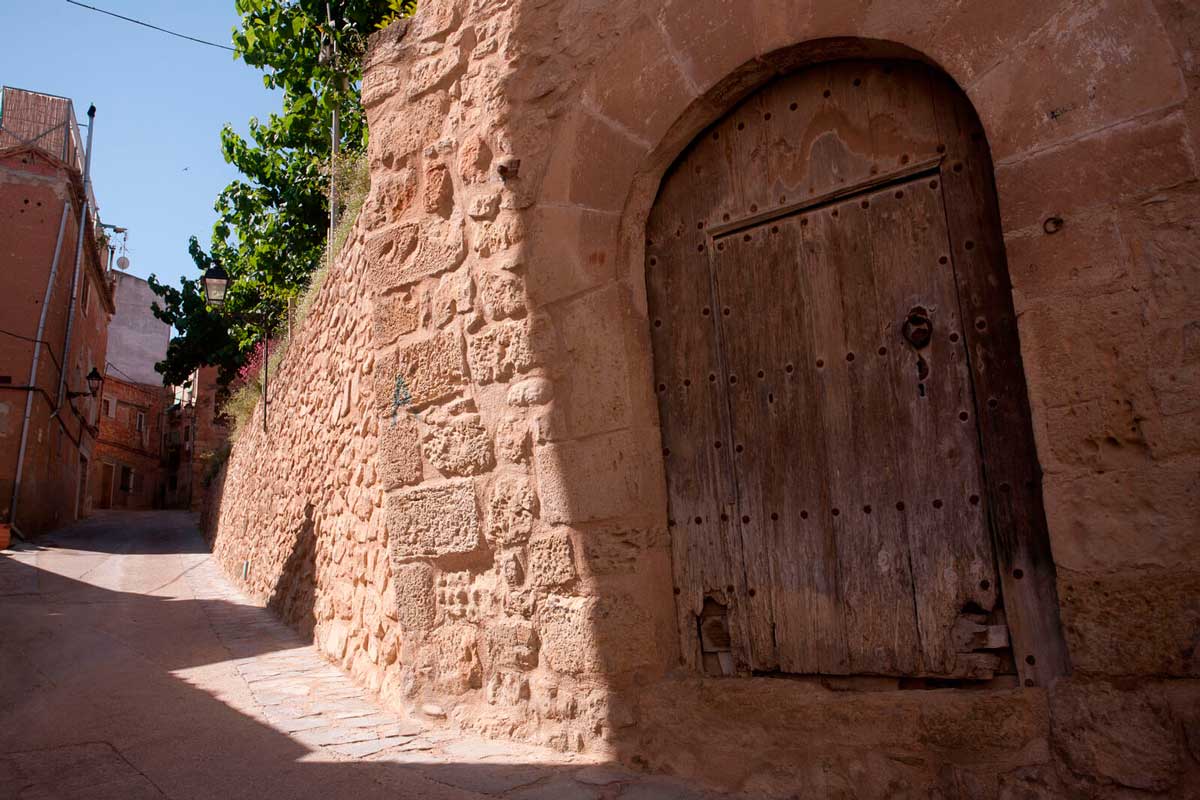
THE TEMPLARS IN ASCÓ
In 1153 Count Ramon Berenguer IV gave the Templars property in Ascó. In 1175 Afonso I pushed the castle of Ascó. In 1182 the monarch gave the Templars the castle, although some rights were reserved and finally, Peter I, in 1210, gave them all the rights he had in the places of Ascó and Riba-roja. That is, the Templars obtained the full lordship.
THE TREASURE OF PEACE
After the military reconquest of the area between Lleida and Tortosa, it was met with a large Saracen population, rooted in old and essentially dedicated to the cultivation of the land. The Christian forces are supposed to have considered the expulsion of the Saracens, but in the face of human forces insufficient to carry out such a resettlement and to prevent a leak damaging to the economy of the banks of the Segre and Ebro, Berengar IV, chose to secure the population's permanence, giving it direct protection and guaranteeing it the maintenance of language, culture, religion and political and legal organization.
The Muslims of Ascó continued to live in the brunette, enclosed by walls, while the newly arrived Christian population built their houses in extramurs, thus segregating the Moorish area from the Christian.
THE TREASURE OF THE TEMPLE IN ASCÓ
The images in ten large vignettes preserved on the prison wall of the Chinon castle, in the French valley of the Loire river, photographed and analyzed by Pros, make it possible to document that around the Command of Ascó, in 1306, to be buried the treasure of the Temple, saved in Cyprus in those two ships that, passing through the Syrian Turtusa, arrived at the Catalan Tortosa, from where, and for 14 years (from 1292 to 1306), they went up in layers the precious mysterious chests.
GO INTO THE TEMPLE OF ASCÓ PAST
With the arrival of the Knights Templar, the town of Ascó transforms and grows, the newly arrived Christians make their homes outside the walls while little by little a Christian area is established attached to the Saracens which will form a new enclosed town. The Templars turn the Saracen castle into a defensive and religious fortress, the Christian church is built and commercial activity on the river does not cease and Ascó, together with Tortosa, controls river and land trade on the Ebro.