Tourism Ascó2025-07-07T11:16:23+02:00
Loading...

DISCOVER THE UNIQUE PLACE OF ASCÓ

HE KNOWS THE HISTORY AND CULTURE OF THE TERRITORY.

DISCOVER THE UNIQUE PLACE OF ASCÓ

HE KNOWS THE HISTORY AND CULTURE OF THE TERRITORY.

River, mountain, tradition, fairs and parties

Ascó, village of southern Catalonia (Ribera d'Ebre)

Ascó is a town in the south of Catalonia, in the comarca of the Ribera d’Ebre. Located in a fluvial plain between the Pas de l’Ase and Pas del Llop d’Andisc.

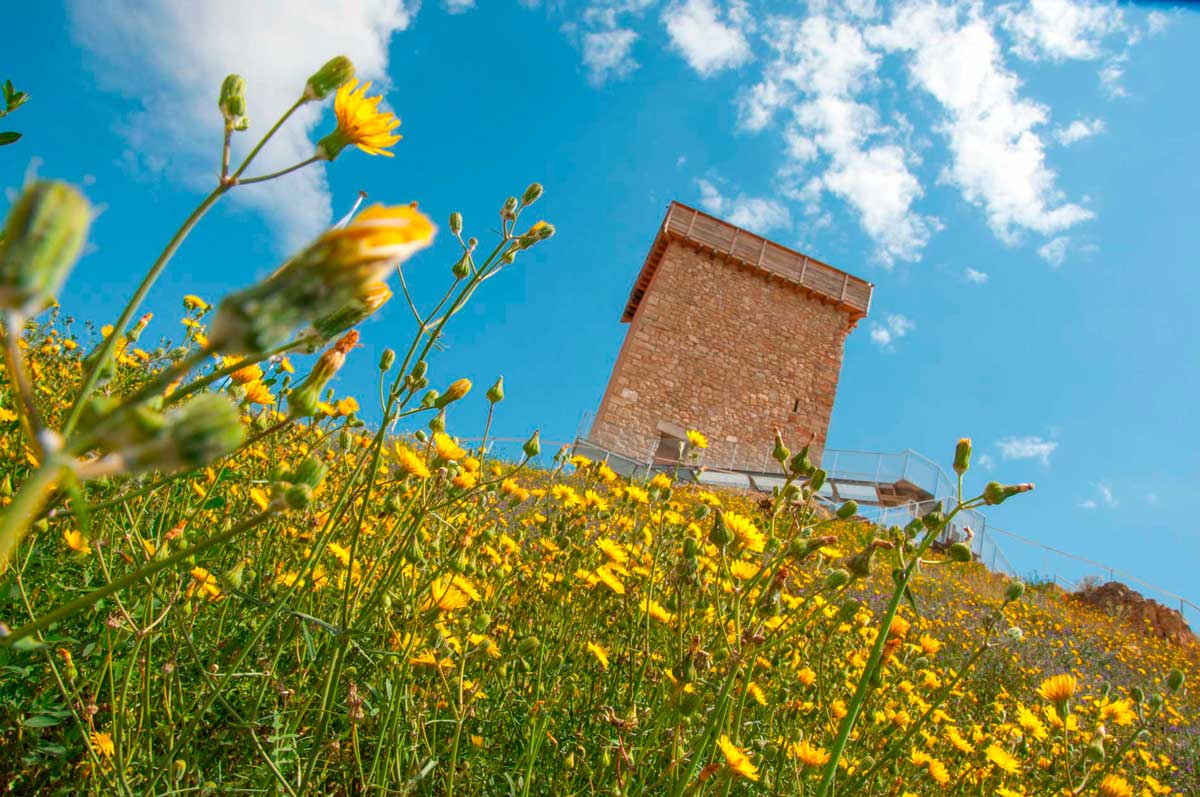
Raised at 82 m above sea level, it is presided over by a Templar castle from where the transit through,the Ebro, was controlled. The most important treasure of the village is precisely our river, which has allowed the economic and social development of Ascó to the present. It has been the scene and participant in the social, cultural and economic changes of the town. The river allowed the development of:agriculture, navigability, river Trade, propitiated the Andalusian and Christian occupation, as well as the development of the energy industry today.

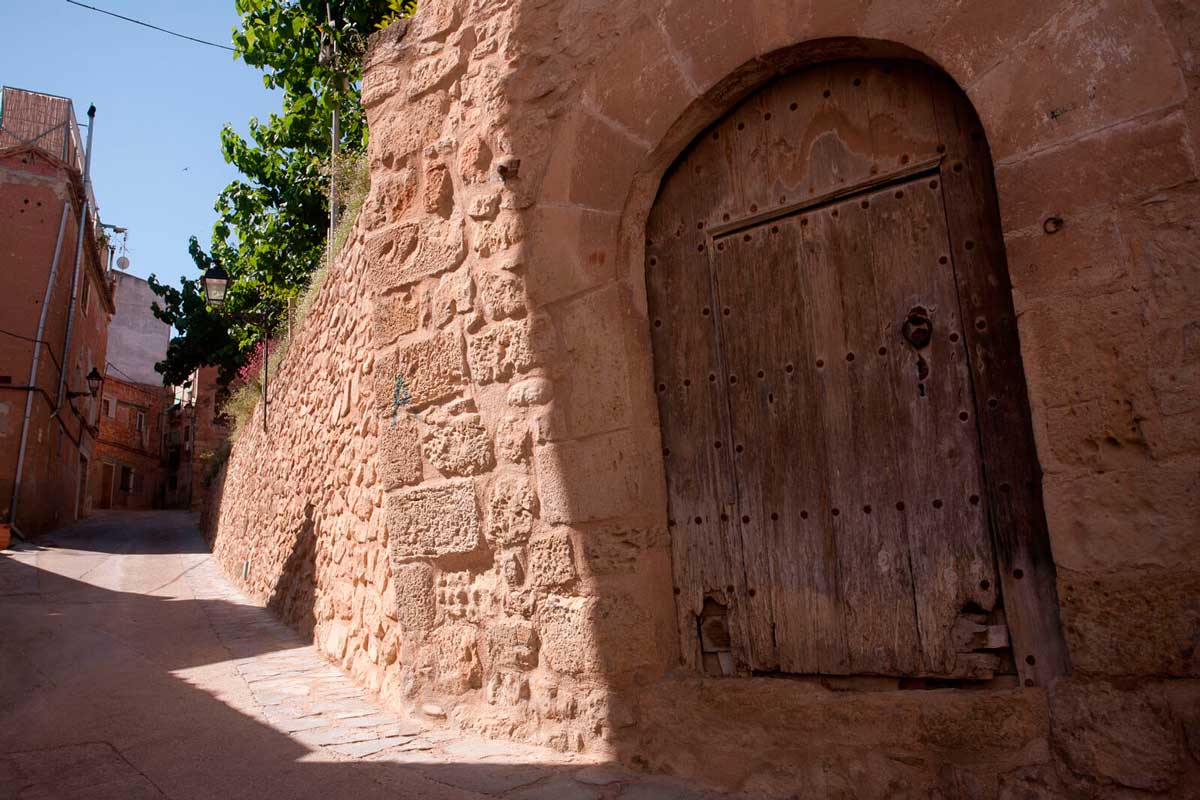
El historic center of Ascó shows the footprints of the population from theMuslim time to the Christian through streets and buildings.

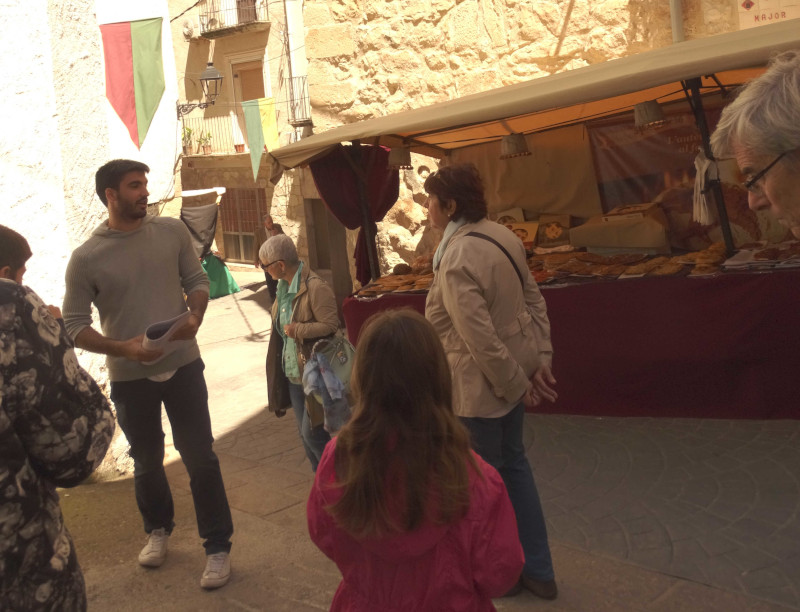
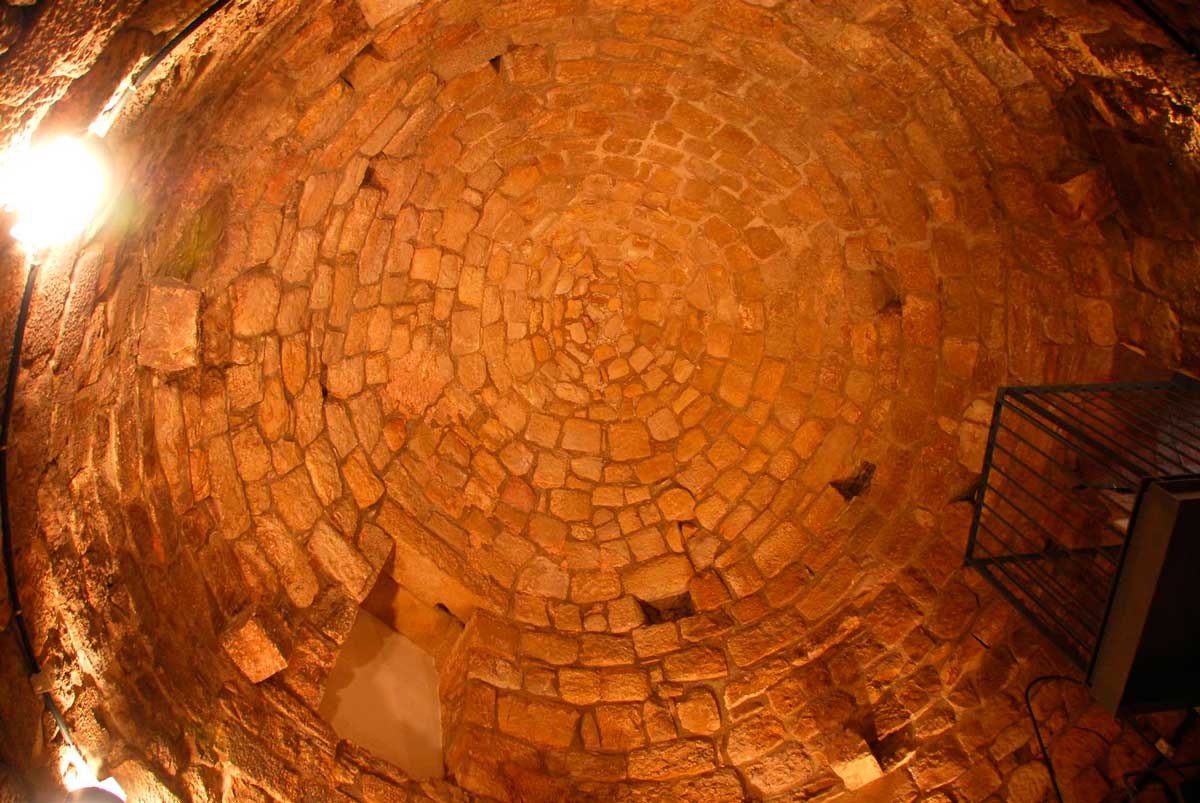
Walking peacefully with river views, you will pass through the Mulberry (the original formerly enclosed by walls) and by the Christian Zone or university, located in the Extramuros, formed by the Christian population newcomer after the reconquest. Also, while walking, you will pass by the perches, the old medieval market, by ancestral homes such as the House of the Commanador, Cal Cavalleror the vaults and silos, recently recovered, and are a sample of the history of our town.

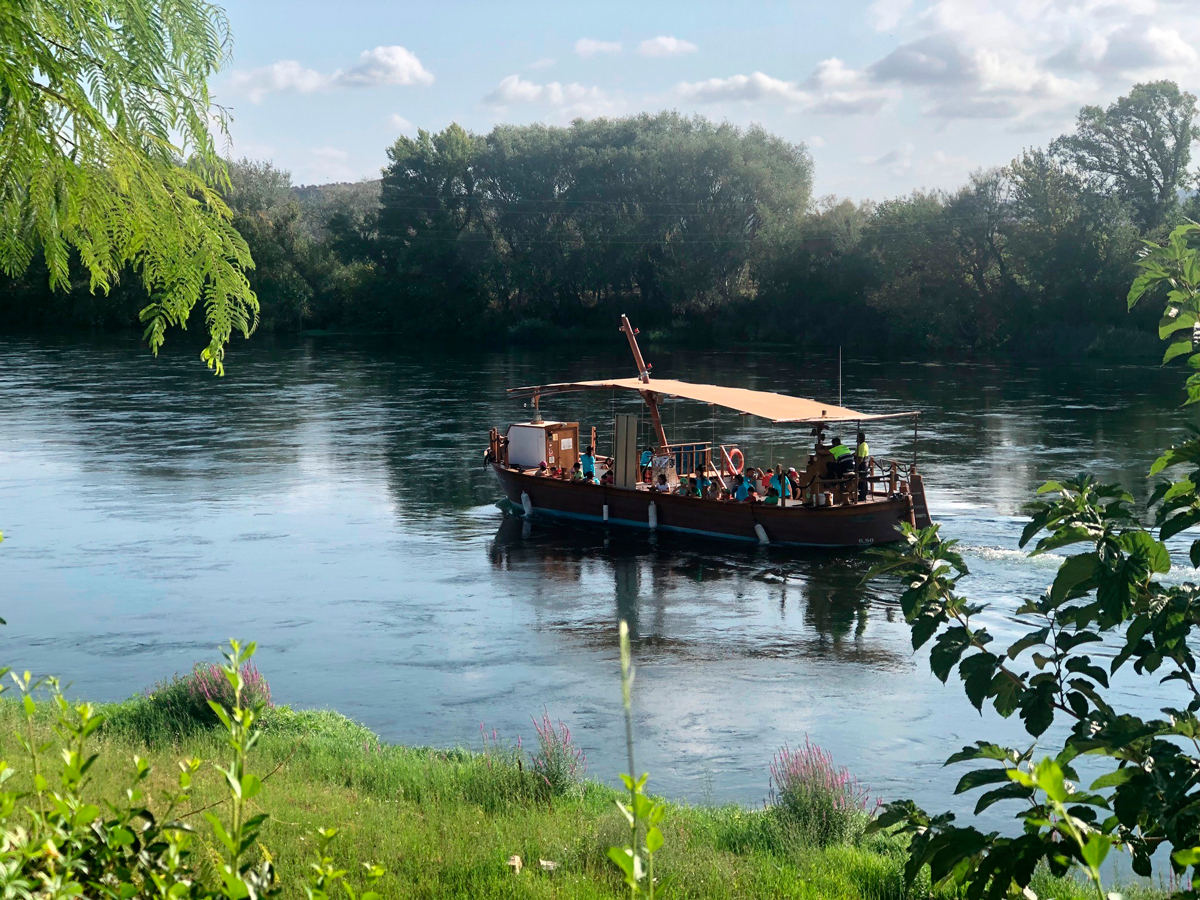
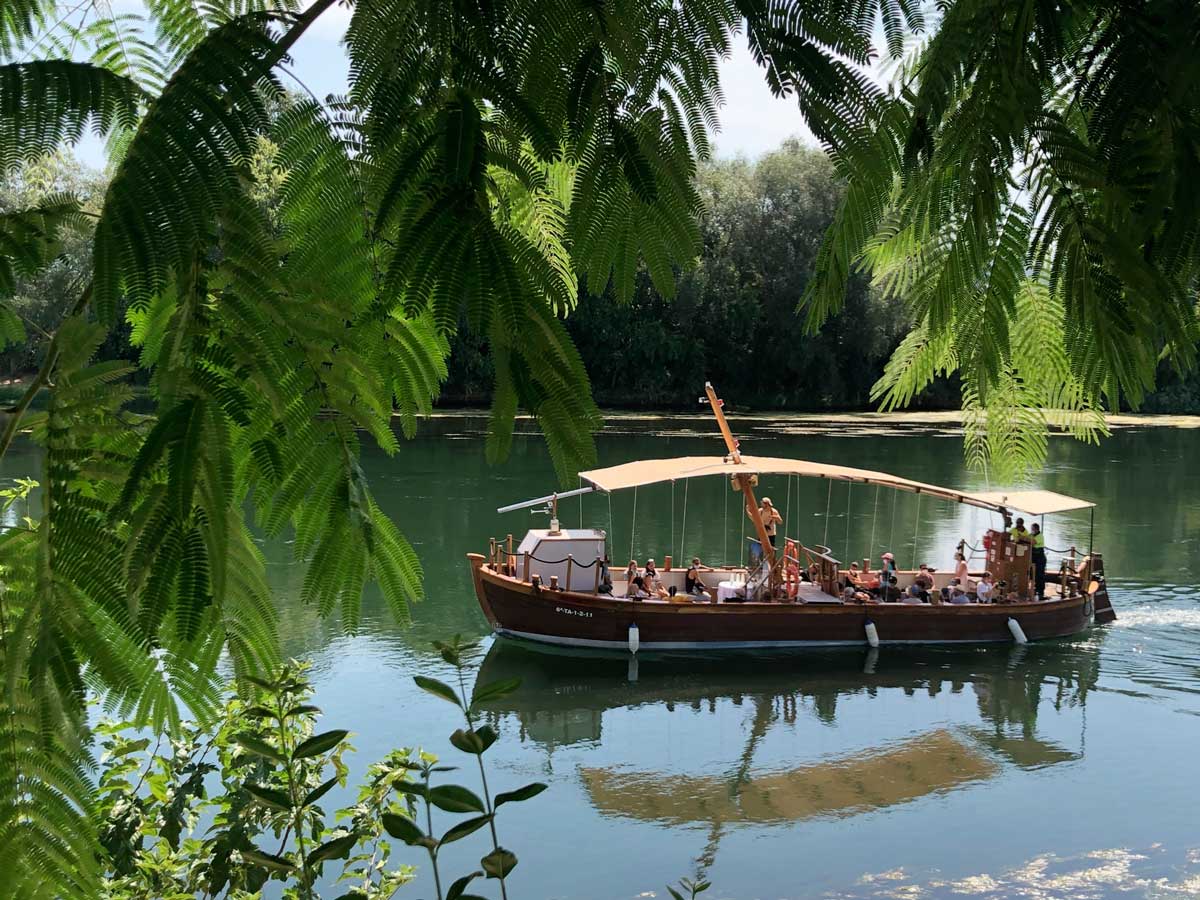
Our municipality has two highly differentiated realities: to the east, to theEbro and the Serra de la Fatarella, you will find mountain vegetation: aromatic, such as rosemary or thyme, and trees such as pines and bushes. You can walk through valleys and canyons that drain to the Ebro river, such as the ravine of the Gala, , the Forn Teuler or the fishbowl, among others. To the left, you will find the river plain, which we call the islands, with riverbank vegetation, the pier and paths where you can enjoy a leisurely stroll, cycling or live from inside with a kayak or at the top of our lute, Lo Roget.

Next Events

Ascó waits for you with the open doors because you hear the Tradition And Ebre nearby!

News

Heritage items

  • Descobreix una de les moreries més grans i representatives de Catalunya Us endinsareu pels carrers de la nostra vila, estrets, tortuosos, amb ziga-zaga, on podreu descobrir aquell passat morisc que fa que el nucli antic sigui encisador. La vila closa, els perxes, les voltes i sitges - antics graners musulmans-, els Sequerets, el[...]

  • From the second half of the 17th century, the Ascó snow well is the only one left in these areas. Located in the foundations of a house, it is constructed with crushed stone and has a pointed vault, with a circular floor plan and in the shape of an acorn. The upper beams rest on ridges at different heights for[...]

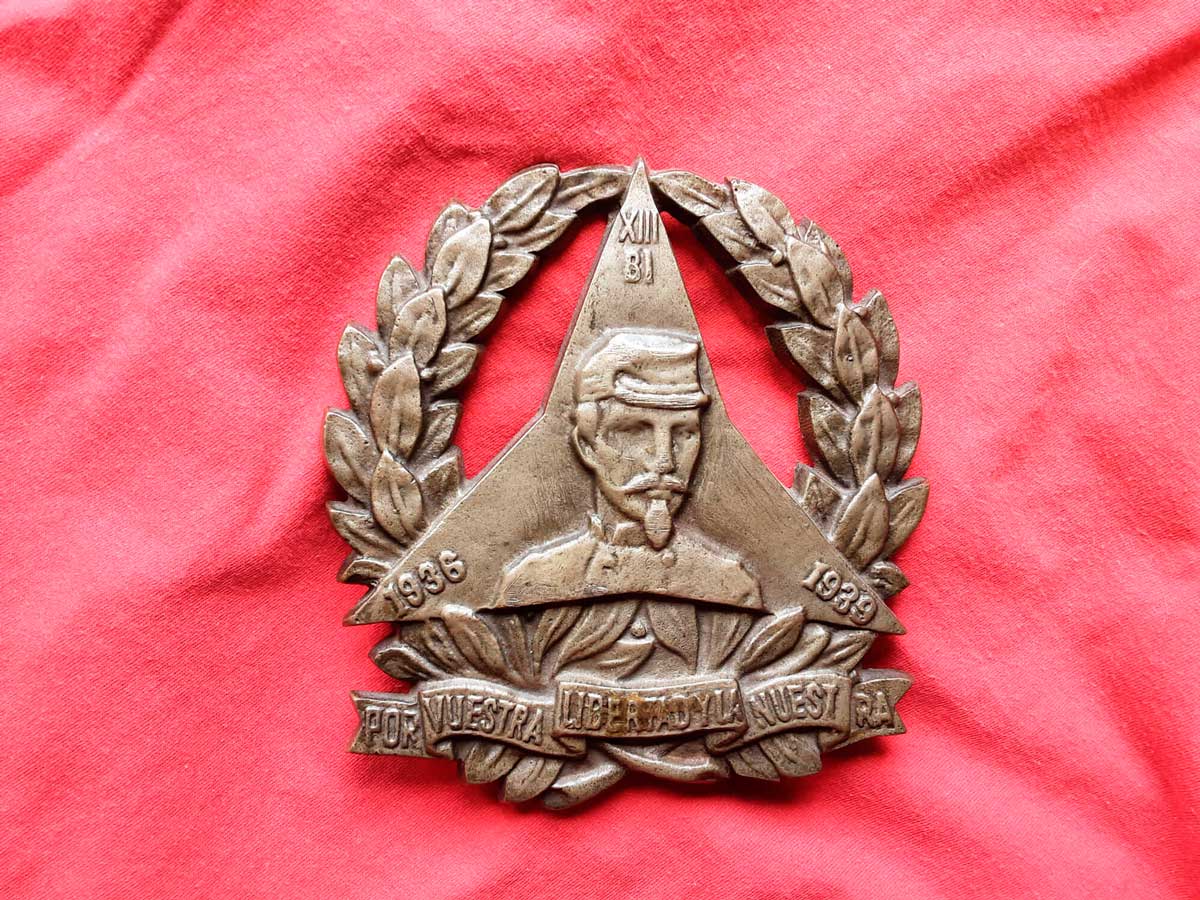
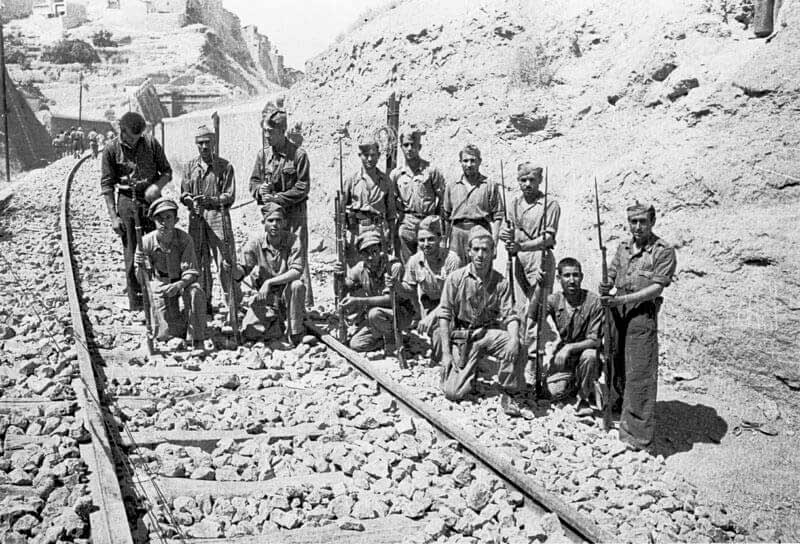
  • The International Brigades were a military unit of the Spanish Republican Army, organized by the Komintern, and made up of around 35.000 anti-fascist civil volunteers from around the world. Combatants from up to 54 countries enlisted to fight fascism in the Spanish Civil War (1936-1939). Despite the military inexperience[...]

  • In 1153 Count Ramon Berenguer IV gave the Templars property in Ascó. In 1175 Afonso I pushed the castle of Ascó. In 1182 the monarch gave the Templars the castle, although some rights were reserved and finally, Peter I, in 1210, gave them all the rights he had[...]

  • THE ORIGINS In the 8th century, the Visigoths occupied all of the Iberian Peninsula under a sole kingdom with its capital in Toledo. They took advantage of the roman organization and institutions and adopted plenty of their customs and traditions. In Ascó, they probably settled at the top of the castle terrace, using the existent Iberian-Roman settlement.[...]

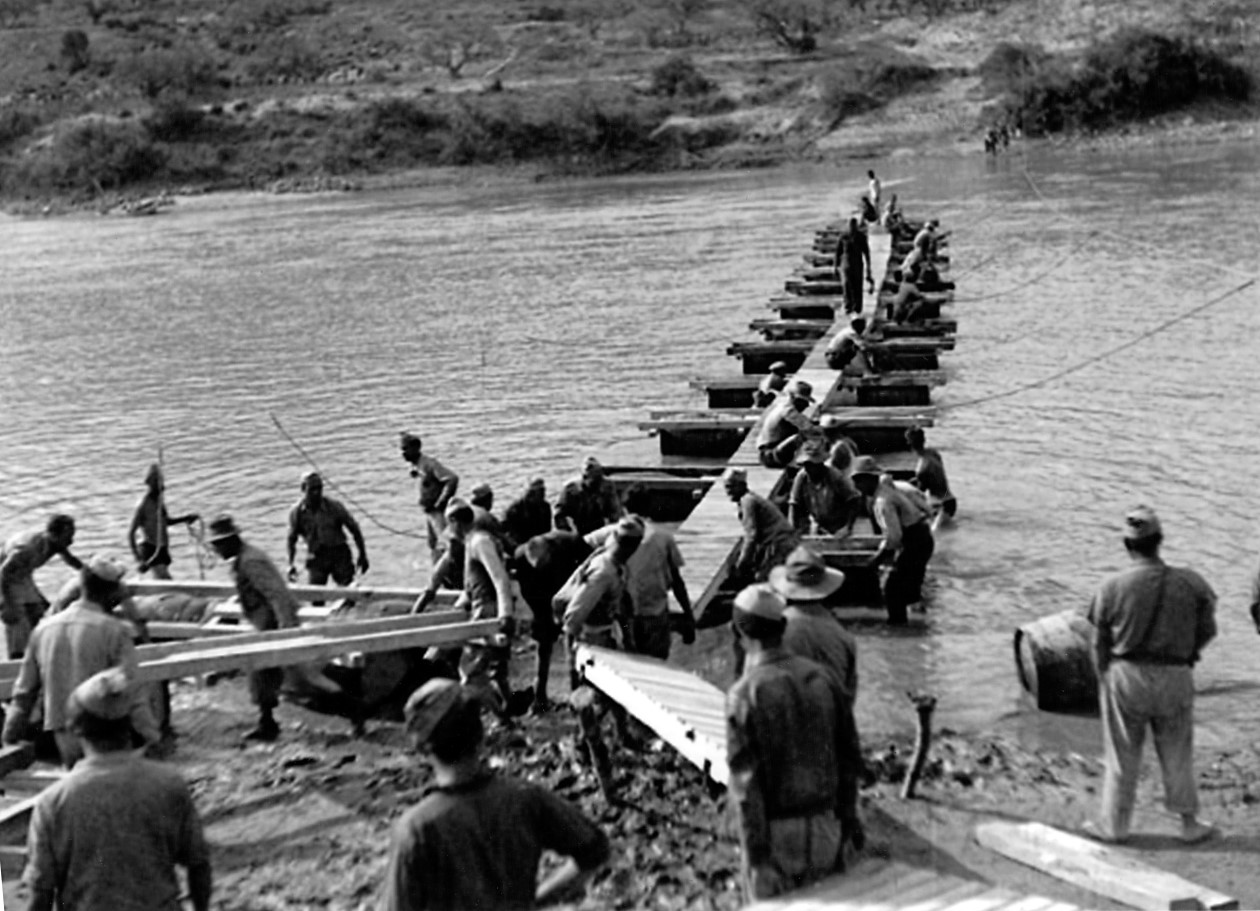
  • The Republican offensive on the Ebre front in the summer of 1938 was a complex military operation. Once the infantry pass was consolidated, it was up to the pontooners to build the different means of passage over the river, to allow communication between the two banks. Its mission was essential: to enable the crossing of heavy weapons and[...]

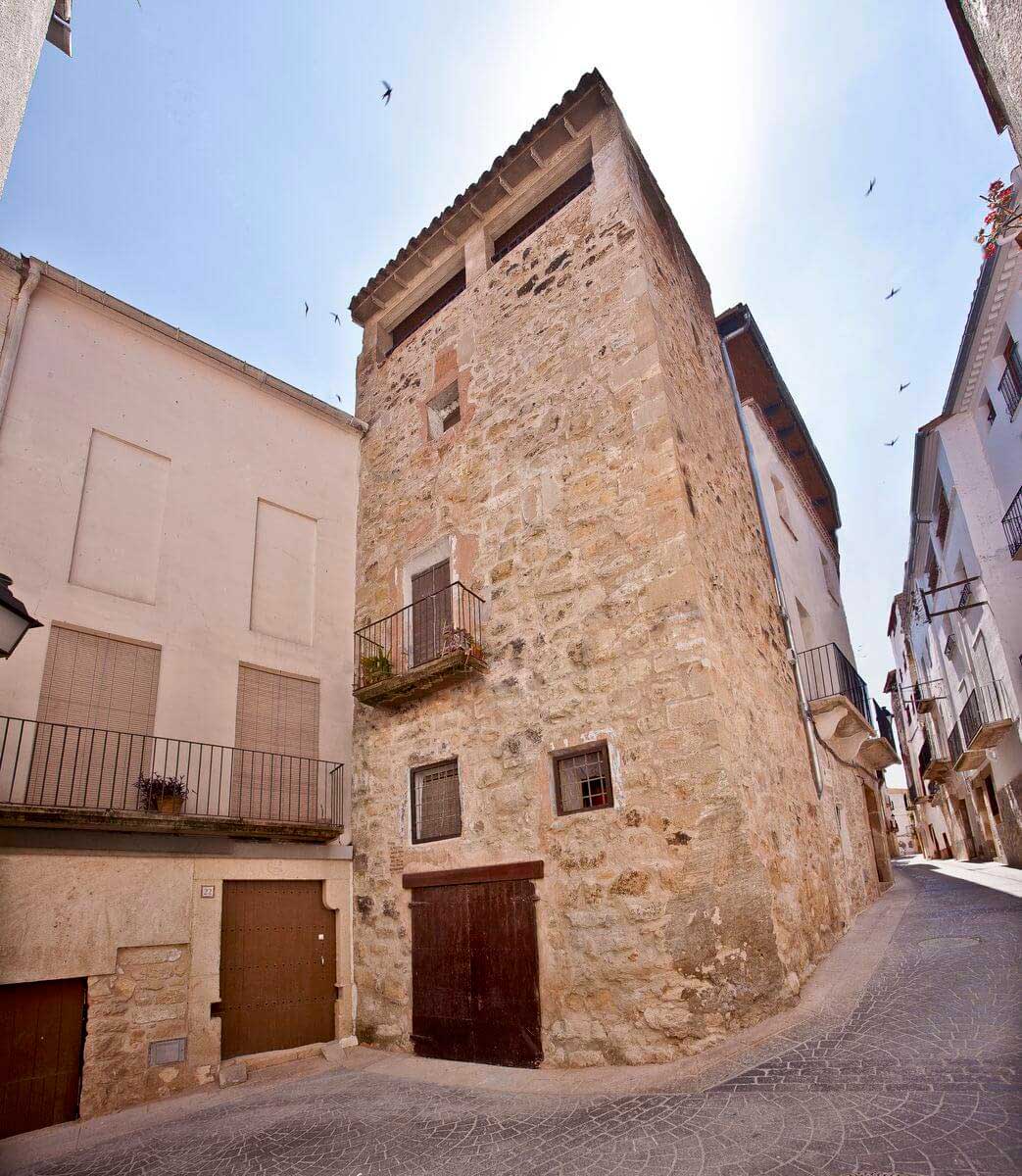
  • The main street is narrow and winding, like all the old streets in this small town, with strategic corners, an easy defence against any invader. Ca Estisora almost centres the street and forces you to make a perfect four. A small tower, with crushed stone embrasures and a round hole in the wall, which is assumed to[...]

  • Descobreix una de les moreries més grans i representatives de Catalunya Us endinsareu pels carrers de la nostra vila, estrets, tortuosos, amb ziga-zaga, on podreu descobrir aquell passat morisc que fa que el nucli antic sigui encisador. La vila closa, els perxes, les voltes i sitges - antics graners musulmans-, els Sequerets, el[...]

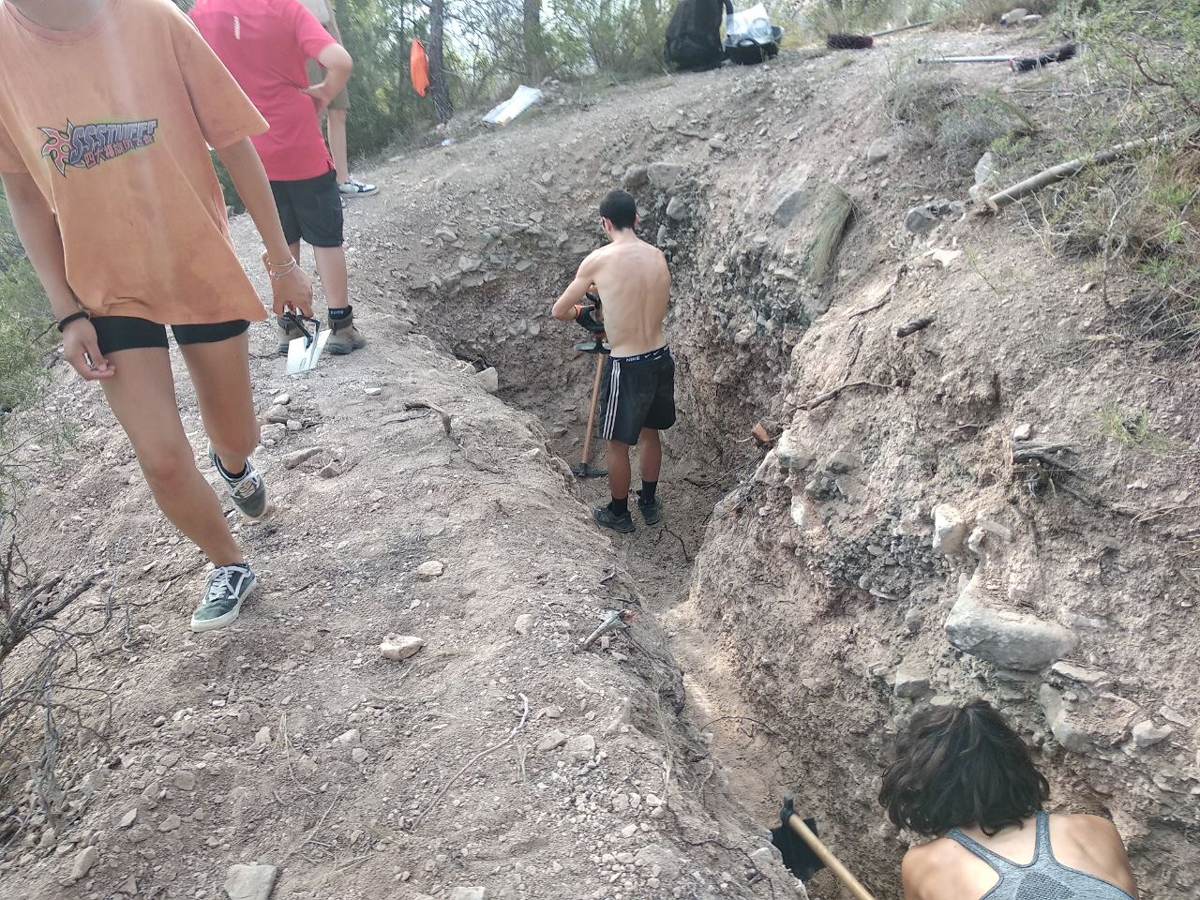
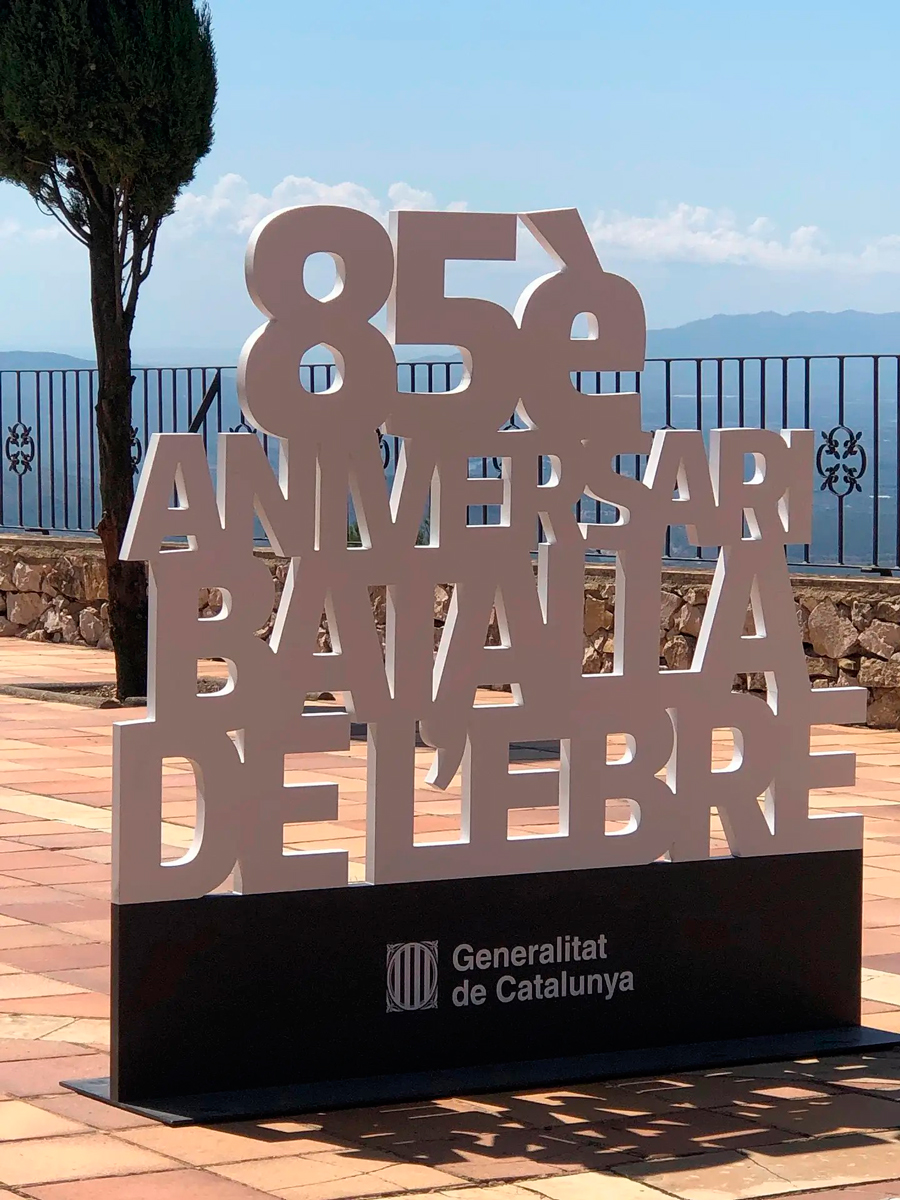
  • The Battle of the Ebro represented the battle of the best military units of two large armies The People's Army of the Republic and the Francoist Army sent to the Ebro in order to repel the Republican offensive. The Tour of the Spaces of the Battle of the Ebro includes a series of routes through historical spaces and interpretation centers.[...]

What can you do?

WE PROPOSE THREE PATHS TO FOLLOW ACCORDING TO YOUR INTERESTS
RIVER

Fluvial activities

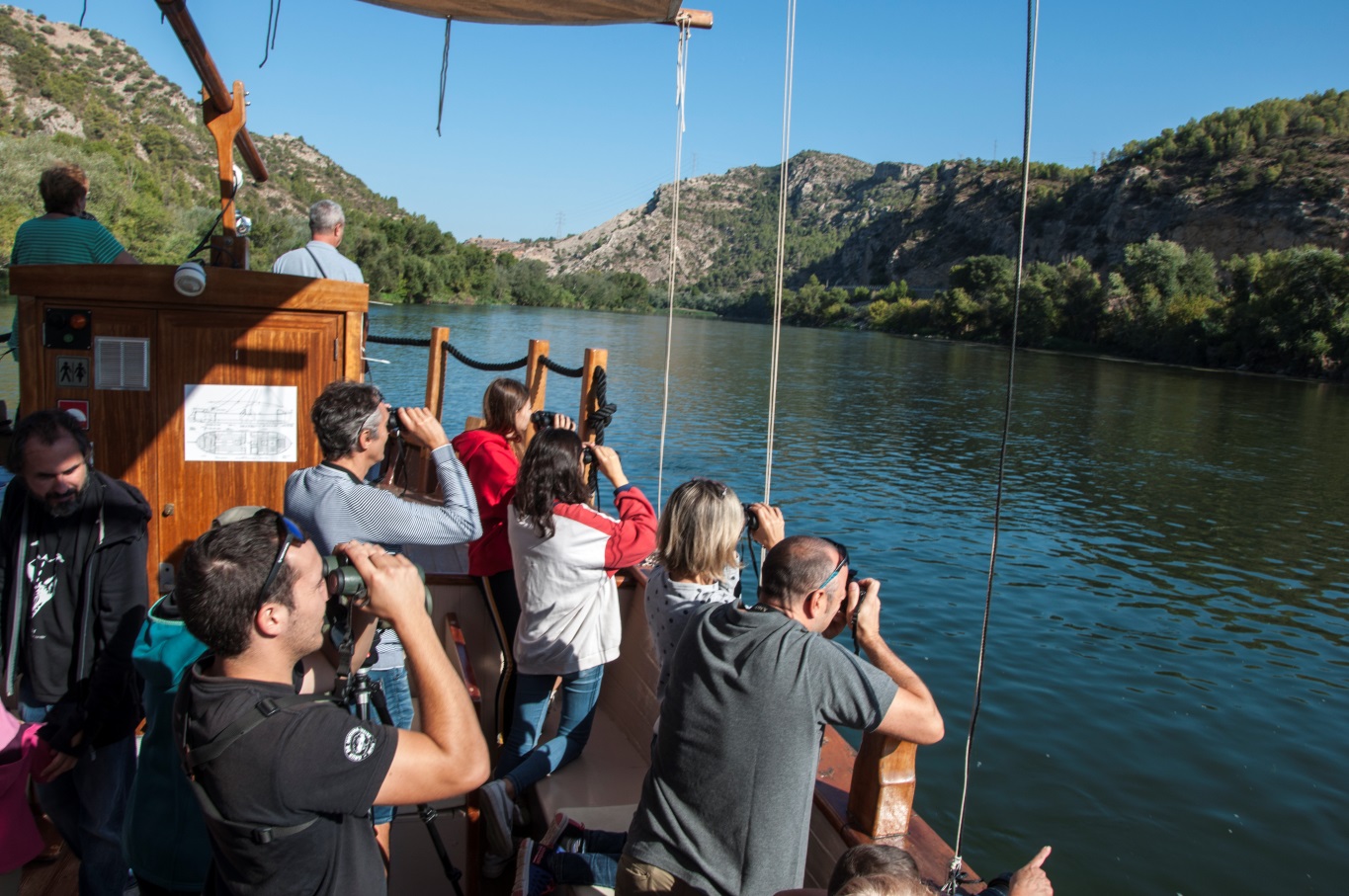
Descobrir les diferents espècies que hi ha al riu, navegar amb el llaüt «Lo Roget«, activitats amb kayak and piragua…

MOUNTAIN

Hiking and mountain biking

Hiking routes through the islands of Ascó, discovered of the castle of Ascó and BTT routes by paths, such as Sirga or GR-99.

HERITAGE

Cultural Treasure

The International Brigades, vaults and silos, Castle of Ascó, Battle of the Ebro, Molí del Cavaller, The boat passage, els Perxes…

Go to Top